Address
304 North Cardinal St.
Dorchester Center, MA 02124
Work Hours
Monday to Friday: 7AM - 7PM
Weekend: 10AM - 5PM

Address
304 North Cardinal St.
Dorchester Center, MA 02124
Work Hours
Monday to Friday: 7AM - 7PM
Weekend: 10AM - 5PM



Introduction
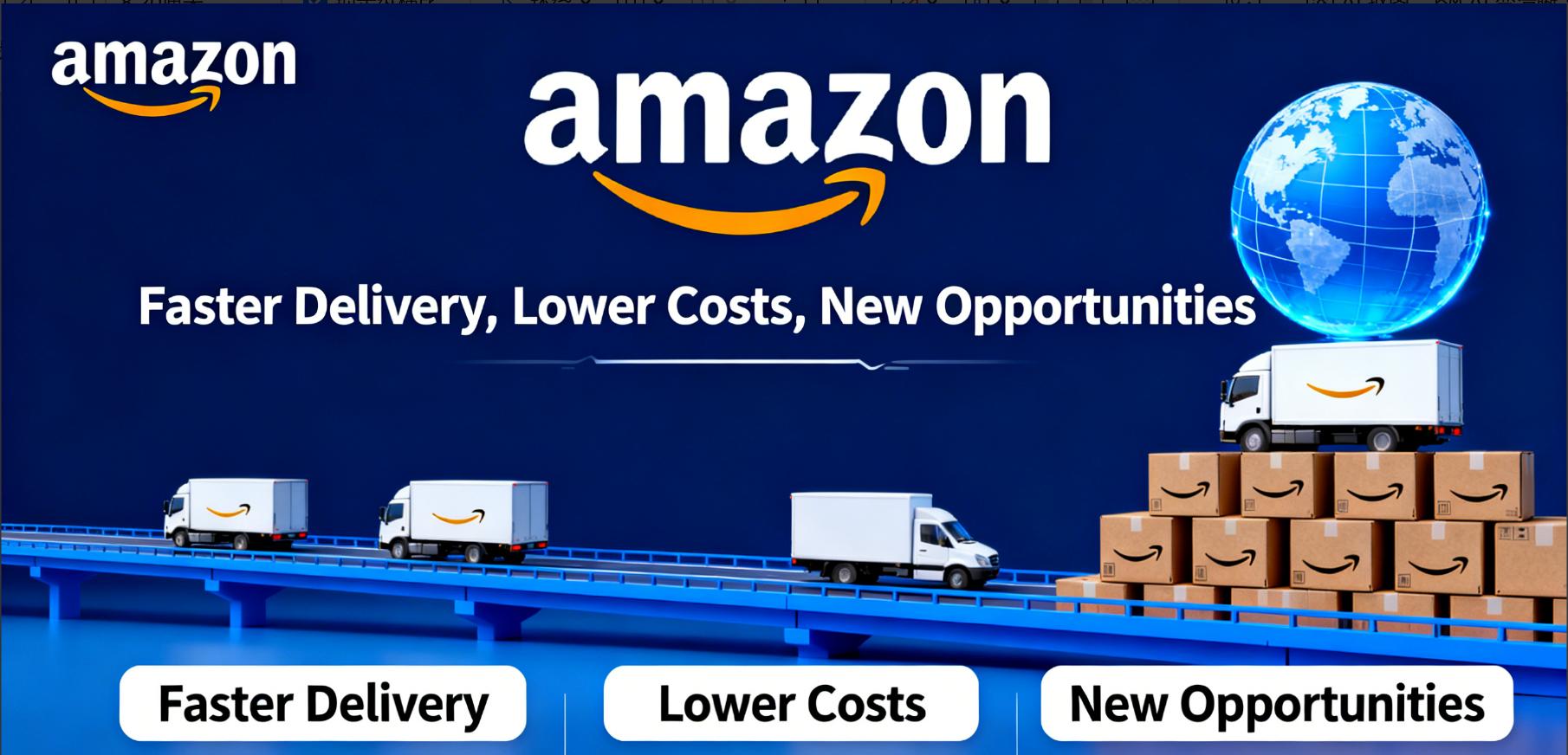
The recent Amazon Shipping third-party logistics partnership marks a major turning point in the U.S. logistics and eCommerce landscape. For the first time, Amazon has opened its small-parcel delivery network to an external logistics provider—Innovative Warehouse Solutions (IWS). This landmark decision gives U.S.-based Amazon sellers and eCommerce brands exciting new opportunities for faster delivery, improved efficiency, reduced shipping costs, and multi-channel fulfillment flexibility.
In this article, we’ll explore what this partnership means, why it matters, and how brands can leverage the expanding Amazon Shipping network to enhance operations and gain a competitive edge.
What Is the Amazon Shipping Third-Party Logistics Partnership?
The Big Announcement
Amazon Shipping—traditionally exclusive to Amazon’s own fulfillment operations—has officially partnered with Innovative Warehouse Solutions (IWS), a New York-based logistics provider. This marks Amazon’s first-ever collaboration with a third-party logistics company, giving sellers access to Amazon’s fast and reliable delivery services even outside of Amazon-owned channels.
Why This Partnership Matters
This collaboration allows IWS clients—many of whom operate across both Amazon and other eCommerce platforms like Shopify—to tap into Amazon’s logistics network. With coverage across 90% of the U.S. population and delivery speeds rivaling UPS and USPS ground services, this partnership opens a new logistics pathway for thousands of sellers.
Key Benefits of the Amazon Shipping Third-Party Logistics Partnership
Faster Nationwide Coverage
Amazon Shipping currently reaches 90% of the U.S. population, ensuring broad coverage for both Amazon and multi-channel eCommerce sellers. Delivery times are competitive, often matching major carriers like USPS and UPS.
Cost-Effective and Scalable Fulfillment
With Amazon processing an estimated 5.7 billion parcels in 2024, its logistics efficiency gives sellers a cost advantage. Working through IWS, eCommerce brands can reduce shipping fees while leveraging Amazon’s scale and infrastructure.
Enhanced Multi-Channel Fulfillment
IWS’s key advantage is centralized inventory and order management across multiple channels—Amazon, Shopify, Walmart, Etsy, and brand websites. By integrating Amazon Shipping into non-Amazon channels, sellers gain faster and more reliable last-mile delivery—without giving up multi-platform freedom.
Stronger Customer Trust
Consumers have developed strong confidence in Amazon’s logistics reliability. Leveraging the Amazon Shipping third-party logistics partnership helps sellers boost trust and conversion rates—even when selling outside of Amazon.
What This Means for U.S.-Based Amazon Sellers and eCommerce Brands
A Shift Toward Open Logistics Ecosystems
Amazon is positioning itself not just as an eCommerce platform but as a major logistics service provider. This shift allows sellers to benefit from Amazon-level fulfillment—even when selling off Amazon.
Reduced Dependence on Single Platforms
Many brands depend heavily on Amazon, but this partnership encourages a multi-channel risk management strategy, allowing sellers to scale operations without being tied solely to Amazon FBA.
Sellers Get More Control
Through IWS, sellers can:
Store and manage inventory across multiple platforms
Customize fulfillment preferences
Negotiate competitive carrier rates (UPS, USPS, Amazon Shipping)
Optimize packaging and labeling for each sales channel
How Sellers Can Prepare to Leverage This Opportunity
Optimize Inventory and Order Syncing
Ensure your product data, inventory, and order systems are properly integrated with IWS or other authorized logistics partners to support real-time order routing and shipping label automation.
Evaluate Shipping Costs vs. Customer Expectations
Compare Amazon Shipping with your current carriers to determine savings, speed improvements, or potential boosts in customer satisfaction.
Monitor Delivery Metrics
Track metrics such as:
Delivery speed (on-time performance)
Return rates and damaged packages
Customer reviews and feedback related to shipping
Prepare for Future Expansions
As Amazon expands its third-party logistics network further, brands that are early adopters will benefit from priority access, better rates, and data-driven optimization tools.
Will Amazon Compete Directly with UPS, FedEx, and USPS?
Yes, Amazon is rapidly positioning itself among the leading parcel carriers. With delivery volume expected to reach 5.7 billion packages in 2024, Amazon Shipping may soon surpass USPS, UPS, and FedEx in ground shipments. The opening of its logistics network to external partners indicates a larger strategic vision—one where Amazon becomes a dominant logistics provider for eCommerce brands well beyond its own marketplace.
Final Thoughts
The Amazon Shipping third-party logistics partnership signals a new era for logistics, fulfillment, and selling strategy. With its unmatched delivery network and expanding channel integrations, Amazon is now competing directly not only in eCommerce but in global logistics services.
For U.S.-based Amazon sellers and multi-channel eCommerce brands, this development represents a major opportunity to optimize operations, reduce shipping costs, and improve customer experience across all selling platforms.
Call to Action (CTA)
Want to learn how to integrate Amazon Shipping with your current warehouse, 3PL partner, or Shopify/Amazon store? Contact us today for personalized logistics solutions that can reduce costs, improve delivery times, and help you scale smarter.
FAQs
What is the Amazon Shipping third-party logistics partnership?
It is Amazon’s first collaboration with an external logistics company (IWS), allowing sellers to use Amazon’s delivery network beyond Amazon marketplace orders.
Can non-Amazon orders use Amazon Shipping?
Yes. Through authorized 3PL providers like IWS, brands can ship Shopify, Walmart, and website orders using Amazon’s delivery network.
Is Amazon Shipping cheaper than UPS or USPS?
In many cases, yes. Amazon’s delivery scale and route optimization help reduce costs, especially on ground and regional deliveries.
